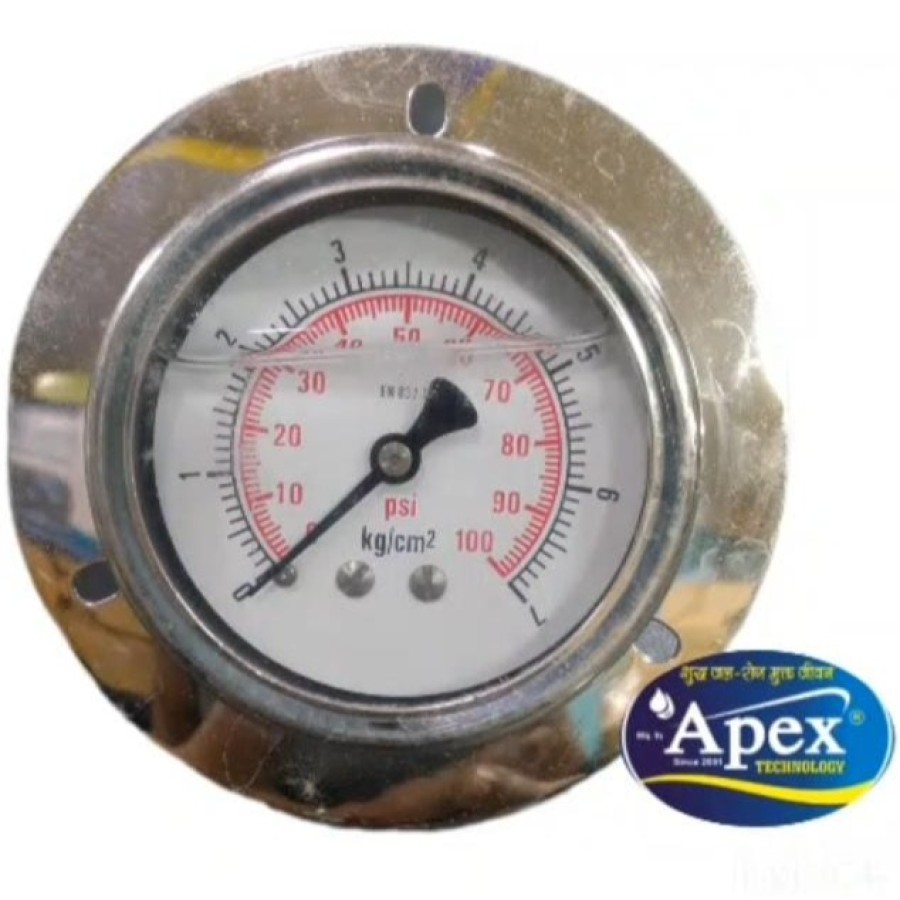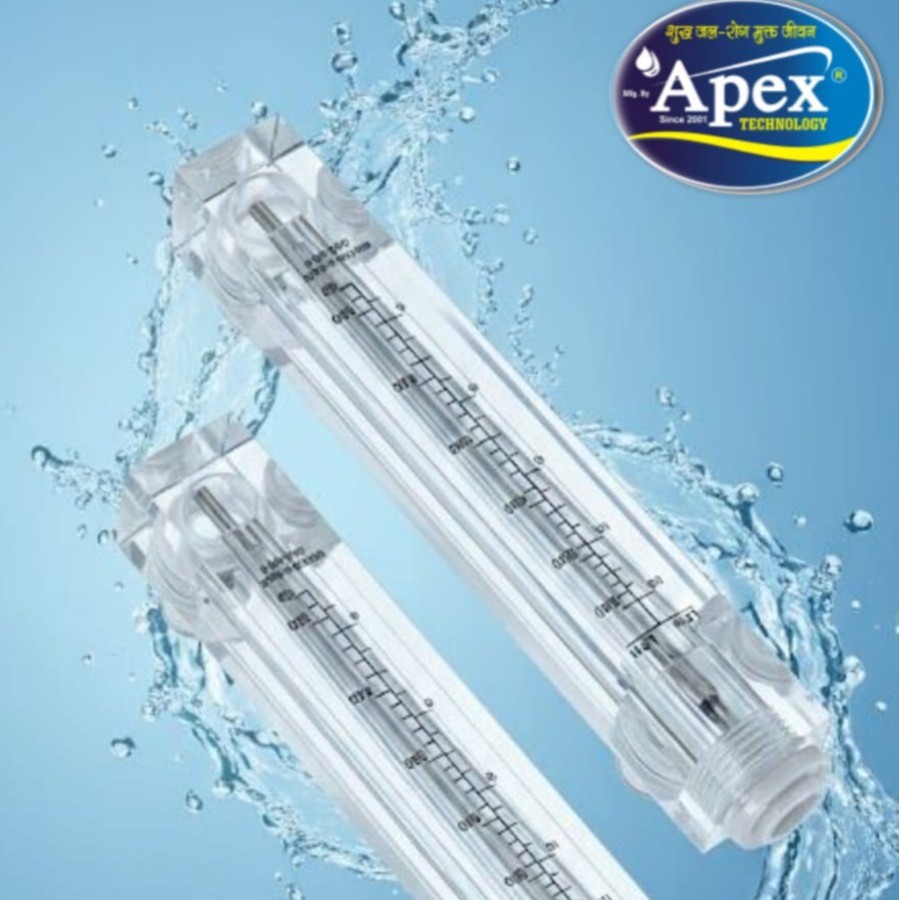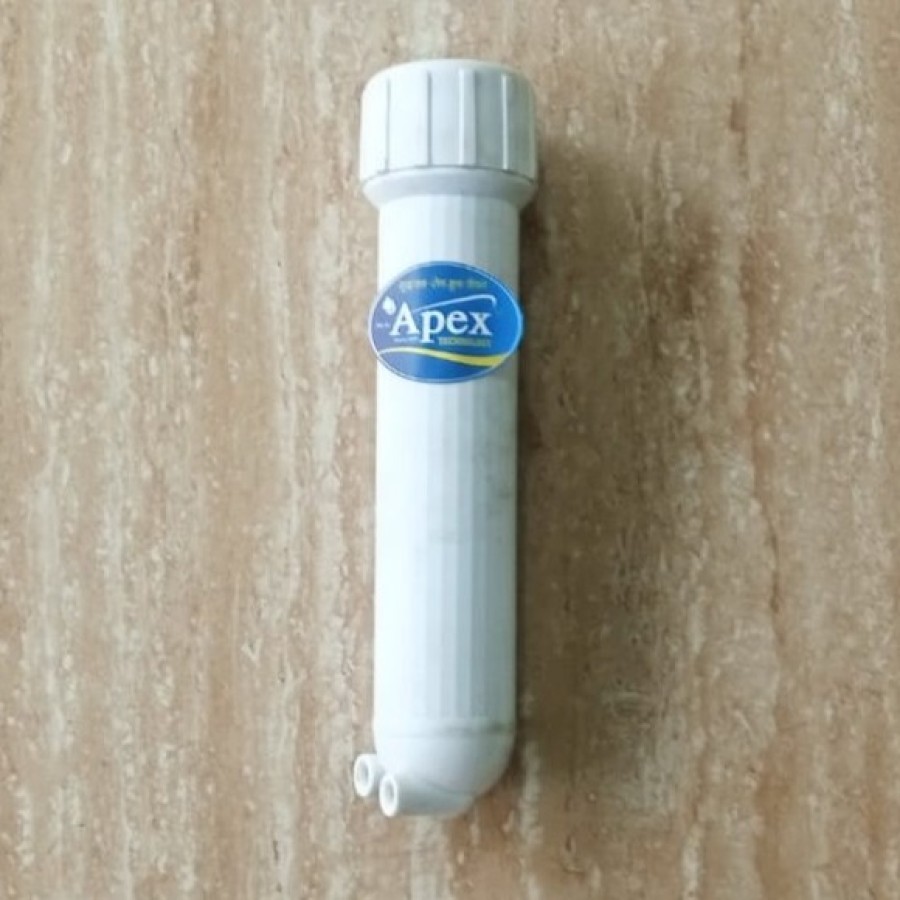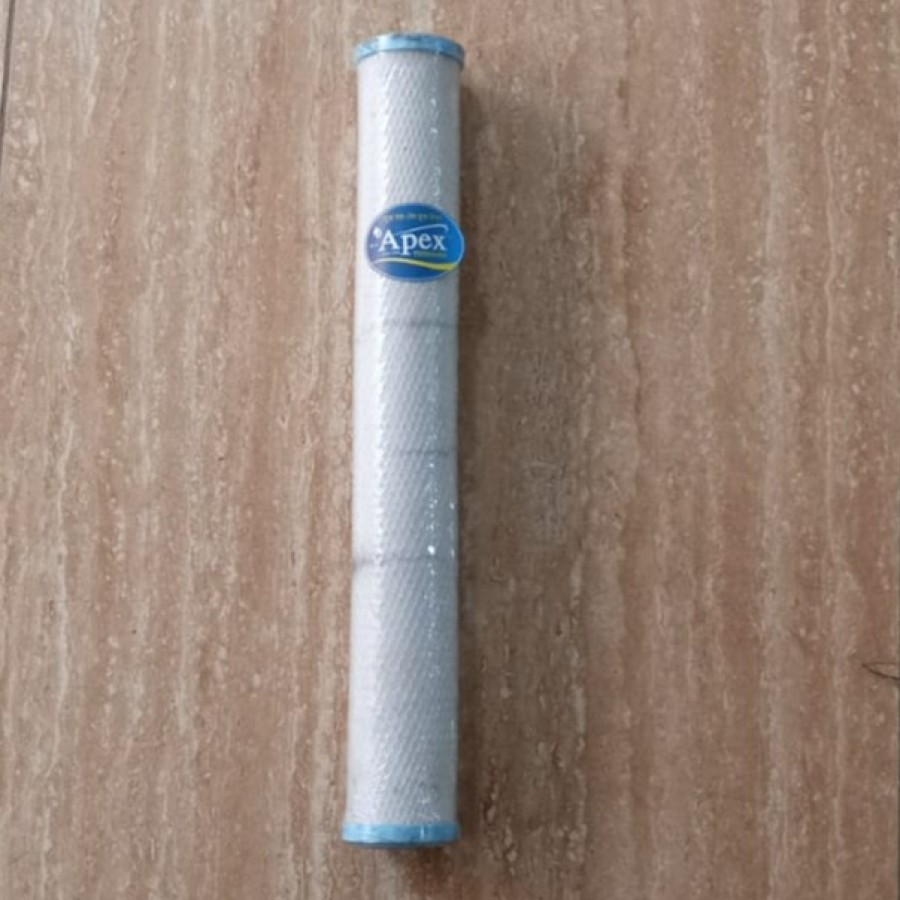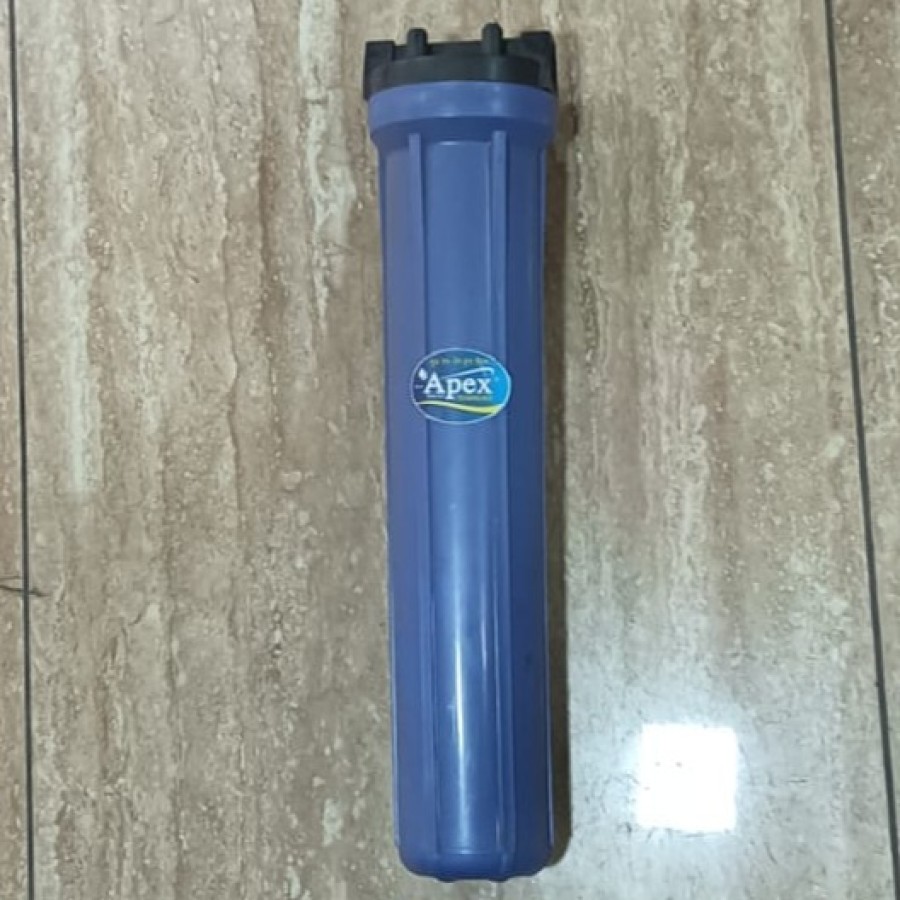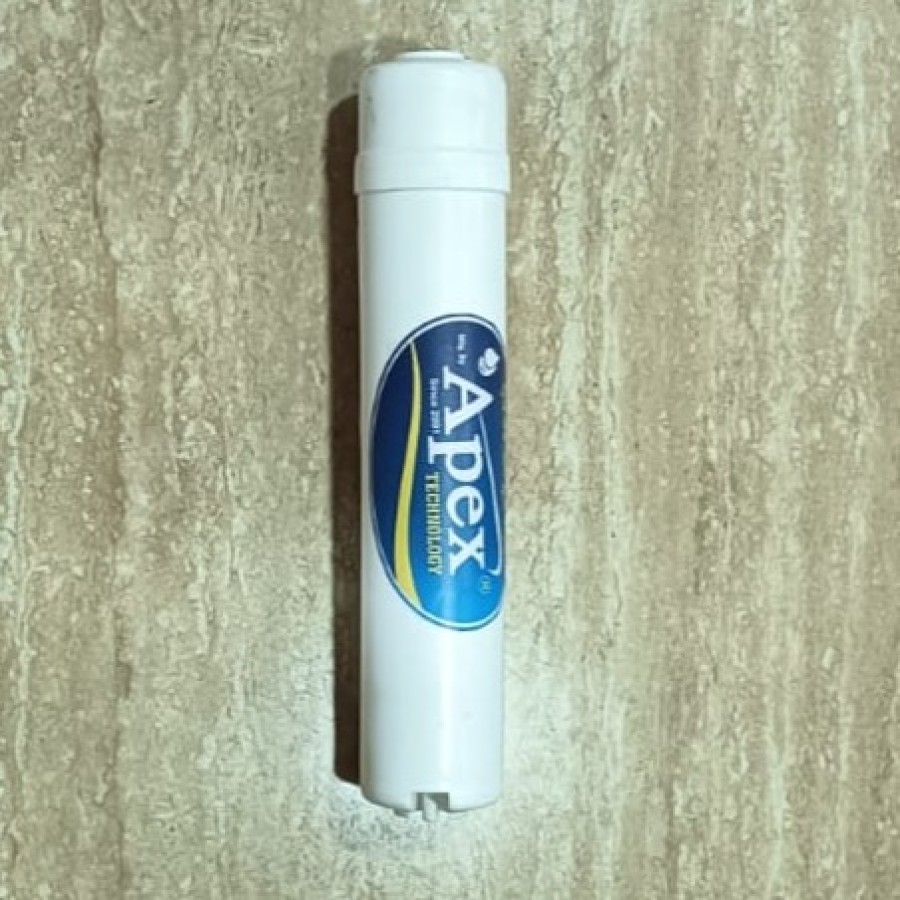
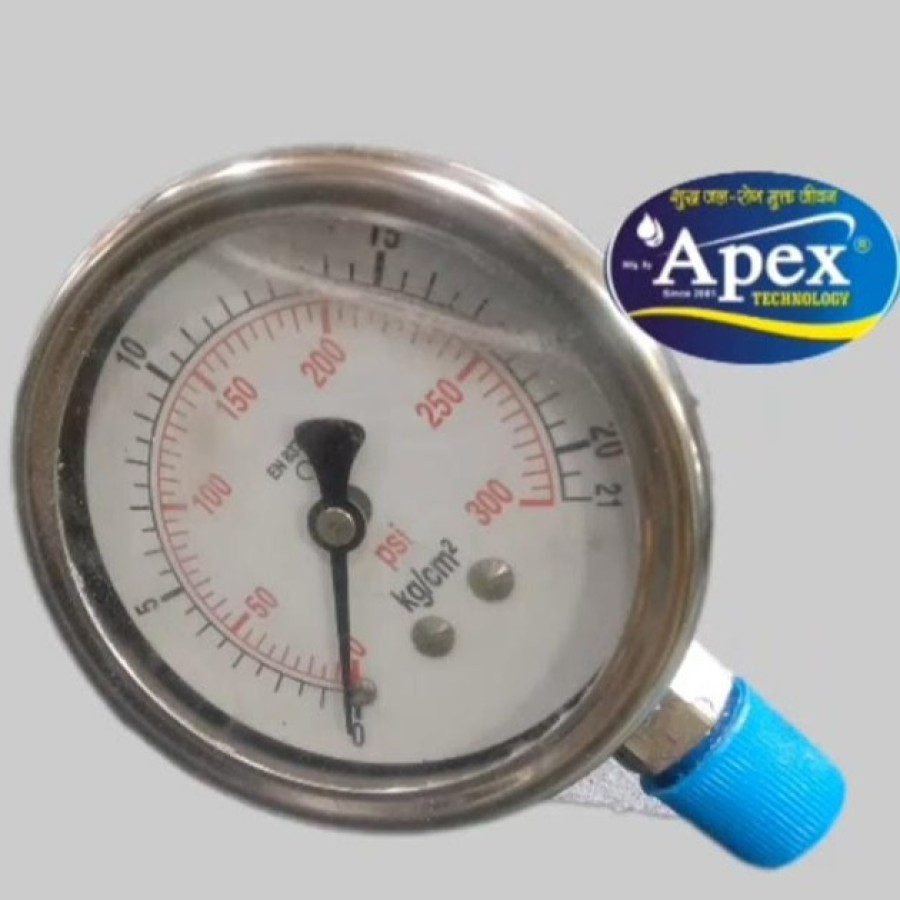
21 Kg Pressure Gauge
By APEX TECHNOLOGY
Price:
Rs. 1,550.00/Piece
Many techniques have been developed for the measurement of pressure and vacuum. Instruments used to measure and display pressure in an integral unit are called pressure gauges or vacuum gauges.We are identified as one of the leading Lab Equipment Trader and Supplier in India. The unmatched quality and unsurpassable performance has attracted customers from India to place bulk orders for the Laboratory Equipment. Additionally, customers are eased with the availability of the Laboratory Test Equipment that complies with the international quality standards.
pressure gauge, instrument for measuring the condition of a fluid (liquid or gas) that is specified by the force that the fluid would exert, when at rest, on a unit area, such as pounds per square inch or newtons per square centimetre.
The reading on a gauge, which is the difference between two pressures, is known as the gauge pressure. If the lower of the pressures is the pressure of the atmosphere, the total, or absolute, pressure is the sum of the gauge and atmospheric pressures.
The simplest device for measuring static pressures up to about 90 pounds per square inch (62 newtons per square cm) is a U-tube manometer (shown in the figure), in which one column of a liquid in the tube is open to a region of high pressure and the other column to a region of low pressure. The differential pressure is indicated by the difference in level between the two columns of liquid, and it is calculated as the difference in level multiplied by the density of the liquid. The manometer liquids most commonly used are mercury, oil, alcohol, and water.
The Bourdon-tube gauge, invented about 1850, is still one of the most widely used instruments for measuring the pressure of liquids and gases of all kinds, including steam, water, and air up to pressures of 100,000 pounds per square inch (70,000 newtons per square cm). The device (also shown in the figure) consists of a flattened circular tube coiled into a circular arc. One end is soldered to a central block and is open to the fluid whose pressure is to be measured; the other end is sealed and coupled to the pointer spindle. When the pressure inside the tube is greater than the outside pressure, the tube tends to straighten, thus turning the pointer. The pressure is read on a circular scale.
Metal bellows and diaphragms are also used as pressure-sensing elements. Because of the large deflections for small pressure changes, bellows instruments are particularly suitable for pressures below atmospheric. Two corrugated diaphragms sealed at their edges to form a capsule, which is evacuated, are used in aneroid barometers to measure atmospheric pressure (see altimeter).
These instruments employ mechanical linkages and so are primarily useful for measuring static pressures or pressures that change slowly. For rapidly changing pressures, electrical pressure transducers that convert pressure to an electrical signal are more suitable. These include strain gauges; moving contact resistance elements; and inductance, reluctance, capacitative, and piezoelectric devices. Electromechanical transducers, which are used in hydraulic controllers, where speed and power are needed, convert changes in pressure of fluid to electrical signals.
pressure gauge, instrument for measuring the condition of a fluid (liquid or gas) that is specified by the force that the fluid would exert, when at rest, on a unit area, such as pounds per square inch or newtons per square centimetre.
The reading on a gauge, which is the difference between two pressures, is known as the gauge pressure. If the lower of the pressures is the pressure of the atmosphere, the total, or absolute, pressure is the sum of the gauge and atmospheric pressures.
The simplest device for measuring static pressures up to about 90 pounds per square inch (62 newtons per square cm) is a U-tube manometer (shown in the figure), in which one column of a liquid in the tube is open to a region of high pressure and the other column to a region of low pressure. The differential pressure is indicated by the difference in level between the two columns of liquid, and it is calculated as the difference in level multiplied by the density of the liquid. The manometer liquids most commonly used are mercury, oil, alcohol, and water.
The Bourdon-tube gauge, invented about 1850, is still one of the most widely used instruments for measuring the pressure of liquids and gases of all kinds, including steam, water, and air up to pressures of 100,000 pounds per square inch (70,000 newtons per square cm). The device (also shown in the figure) consists of a flattened circular tube coiled into a circular arc. One end is soldered to a central block and is open to the fluid whose pressure is to be measured; the other end is sealed and coupled to the pointer spindle. When the pressure inside the tube is greater than the outside pressure, the tube tends to straighten, thus turning the pointer. The pressure is read on a circular scale.
Metal bellows and diaphragms are also used as pressure-sensing elements. Because of the large deflections for small pressure changes, bellows instruments are particularly suitable for pressures below atmospheric. Two corrugated diaphragms sealed at their edges to form a capsule, which is evacuated, are used in aneroid barometers to measure atmospheric pressure (see altimeter).
These instruments employ mechanical linkages and so are primarily useful for measuring static pressures or pressures that change slowly. For rapidly changing pressures, electrical pressure transducers that convert pressure to an electrical signal are more suitable. These include strain gauges; moving contact resistance elements; and inductance, reluctance, capacitative, and piezoelectric devices. Electromechanical transducers, which are used in hydraulic controllers, where speed and power are needed, convert changes in pressure of fluid to electrical signals.
- CATEGORIES :
Product Description
Many techniques have been developed for the measurement of pressure and vacuum. Instruments used to measure and display pressure in an integral unit are called pressure gauges or vacuum gauges.We are identified as one of the leading Lab Equipment Trader and Supplier in India. The unmatched quality and unsurpassable performance has attracted customers from India to place bulk orders for the Laboratory Equipment. Additionally, customers are eased with the availability of the Laboratory Test Equipment that complies with the international quality standards.
pressure gauge, instrument for measuring the condition of a fluid (liquid or gas) that is specified by the force that the fluid would exert, when at rest, on a unit area, such as pounds per square inch or newtons per square centimetre.
The reading on a gauge, which is the difference between two pressures, is known as the gauge pressure. If the lower of the pressures is the pressure of the atmosphere, the total, or absolute, pressure is the sum of the gauge and atmospheric pressures.
The simplest device for measuring static pressures up to about 90 pounds per square inch (62 newtons per square cm) is a U-tube manometer (shown in the figure), in which one column of a liquid in the tube is open to a region of high pressure and the other column to a region of low pressure. The differential pressure is indicated by the difference in level between the two columns of liquid, and it is calculated as the difference in level multiplied by the density of the liquid. The manometer liquids most commonly used are mercury, oil, alcohol, and water.
The Bourdon-tube gauge, invented about 1850, is still one of the most widely used instruments for measuring the pressure of liquids and gases of all kinds, including steam, water, and air up to pressures of 100,000 pounds per square inch (70,000 newtons per square cm). The device (also shown in the figure) consists of a flattened circular tube coiled into a circular arc. One end is soldered to a central block and is open to the fluid whose pressure is to be measured; the other end is sealed and coupled to the pointer spindle. When the pressure inside the tube is greater than the outside pressure, the tube tends to straighten, thus turning the pointer. The pressure is read on a circular scale.
Metal bellows and diaphragms are also used as pressure-sensing elements. Because of the large deflections for small pressure changes, bellows instruments are particularly suitable for pressures below atmospheric. Two corrugated diaphragms sealed at their edges to form a capsule, which is evacuated, are used in aneroid barometers to measure atmospheric pressure (see altimeter).
These instruments employ mechanical linkages and so are primarily useful for measuring static pressures or pressures that change slowly. For rapidly changing pressures, electrical pressure transducers that convert pressure to an electrical signal are more suitable. These include strain gauges; moving contact resistance elements; and inductance, reluctance, capacitative, and piezoelectric devices. Electromechanical transducers, which are used in hydraulic controllers, where speed and power are needed, convert changes in pressure of fluid to electrical signals.
pressure gauge, instrument for measuring the condition of a fluid (liquid or gas) that is specified by the force that the fluid would exert, when at rest, on a unit area, such as pounds per square inch or newtons per square centimetre.
The reading on a gauge, which is the difference between two pressures, is known as the gauge pressure. If the lower of the pressures is the pressure of the atmosphere, the total, or absolute, pressure is the sum of the gauge and atmospheric pressures.
The simplest device for measuring static pressures up to about 90 pounds per square inch (62 newtons per square cm) is a U-tube manometer (shown in the figure), in which one column of a liquid in the tube is open to a region of high pressure and the other column to a region of low pressure. The differential pressure is indicated by the difference in level between the two columns of liquid, and it is calculated as the difference in level multiplied by the density of the liquid. The manometer liquids most commonly used are mercury, oil, alcohol, and water.
The Bourdon-tube gauge, invented about 1850, is still one of the most widely used instruments for measuring the pressure of liquids and gases of all kinds, including steam, water, and air up to pressures of 100,000 pounds per square inch (70,000 newtons per square cm). The device (also shown in the figure) consists of a flattened circular tube coiled into a circular arc. One end is soldered to a central block and is open to the fluid whose pressure is to be measured; the other end is sealed and coupled to the pointer spindle. When the pressure inside the tube is greater than the outside pressure, the tube tends to straighten, thus turning the pointer. The pressure is read on a circular scale.
Metal bellows and diaphragms are also used as pressure-sensing elements. Because of the large deflections for small pressure changes, bellows instruments are particularly suitable for pressures below atmospheric. Two corrugated diaphragms sealed at their edges to form a capsule, which is evacuated, are used in aneroid barometers to measure atmospheric pressure (see altimeter).
These instruments employ mechanical linkages and so are primarily useful for measuring static pressures or pressures that change slowly. For rapidly changing pressures, electrical pressure transducers that convert pressure to an electrical signal are more suitable. These include strain gauges; moving contact resistance elements; and inductance, reluctance, capacitative, and piezoelectric devices. Electromechanical transducers, which are used in hydraulic controllers, where speed and power are needed, convert changes in pressure of fluid to electrical signals.
Export Countries
Bhutan
Nepal
South Africa
Related Sectors
Water
Web Link
Availability
15-20 PCS
Brand
Apex Technology
About the Company
APEX TECHNOLOGY Providing WATER TREATMENT SOLUTIONS for Domestic and Industrial Projects
We would like to introduce brand “APEX” as one of the leading Manufacturers of Industrial & Domestic ‘Reverse Osmosis Water Purifiers’ in India. The company is engaged in manufacturing of water filter parts & components of high quality & is committed to provide “Water Solutions” for Industrial and Domestic Usage. APEX TECHNOLOGY is an ISO 9001:2008 Certified Company with AAA rating by SMERA/NSIC approved & SSI Registered with CE Certified Company based on Futuristic Vision & Values such as integrity & trust which are the pillars of its success. To see our complete range of products, please visit our website www.apextechnology.in and www.apextechnology.co.in
Strengths of the Company
‘APEX’ has a dedicated team of professionals who are experts in their respective fields. APEX has a ten years experience in the field of Water Purification System –
RO Based technology
Packaged drinking water treatment plant
Iron removal plant
DM plant
Softener
Dialyses water
Water ATM & Most of the industrial & domestic products are carefully designed and manufactured, keeping in view the customer’s requirements.
We have a strong team of Sales & After sales staff who cater the very important After Sales Service all over India.
APEX has its factory located in DELHI/KOLKATA/ASSAM& SILIGURI, West Bengal where it manufactures RO system Domestic Components like Filters, Adopter, UV Barrel, Flot valb, Housings, Tubing, Cartridges & many other products.
Quality Control
All these goods are carefully inspected & checked under stringent Quality Control measures maintained by the company. Each RO Units is tested thoroughly before it gets installed at the site , our major checking parameters are:
Pressure of the Booster Pump with Pressure Gauge
Leakage from all the filters
Aesthetic Looks of the Machine
Other Accessories
A Strong motivated sales team has grown up APEX sales graph by leaps & bounds over the last 10 years
Price Structure APEX prices are very competitive for the quality it offers. We are determined & committed to provide our Buyers with best products at genuine price.
Product Details
Industrial RO Water Purifier Projects
We are manufacturing & supplying Industrial ROs of various capacities for government projects and other corporate sectors.
Some of our esteemed clients are:
Indian Railway
Airports Authority of India
Tripura Government
Cipla Pharmaceuticals
NHPC & many others
Indian Oil
IRCTC
CPWD
Residential RO Projects
In Domestic RO units, we have many models such as:
Basic under Sink Model with / without tank.
Cabinet Series
Water Filters
Water Dispensers
Softeners & RO parts like pumps, membranes and many other associated parts.
APEX is into turnkey projects and is installing RO machines at the sites of construction.
We have been providing RO Systems to construction companies like Hotels, and Hospitals.
Dealer & Distributors
The company also has its own dealer /distributor network all across India through which it supplies APEX RO Unit’s directly to its esteemed customers and then providing them with After Sales Service.
Trade Shows
The company is participating in various Trade Shows such as
IITF (Pragati Maidan, Delhi)
Industrial Trade fair (Kolkata)
Water Digest
Aquatic Asia
Europe Slovenia Exhibition
Apart From this The Company is regularly advertising with various national and International Magazines for the promotion of its range of water purification products.
Team “APEX” Looks forward to providing “Water Solutions” for your esteemed company too.
Best Regards
For APEX TECHNOLOGY
Jayanta Biswas (CEO)
We would like to introduce brand “APEX” as one of the leading Manufacturers of Industrial & Domestic ‘Reverse Osmosis Water Purifiers’ in India. The company is engaged in manufacturing of water filter parts & components of high quality & is committed to provide “Water Solutions” for Industrial and Domestic Usage. APEX TECHNOLOGY is an ISO 9001:2008 Certified Company with AAA rating by SMERA/NSIC approved & SSI Registered with CE Certified Company based on Futuristic Vision & Values such as integrity & trust which are the pillars of its success. To see our complete range of products, please visit our website www.apextechnology.in and www.apextechnology.co.in
Strengths of the Company
‘APEX’ has a dedicated team of professionals who are experts in their respective fields. APEX has a ten years experience in the field of Water Purification System –
RO Based technology
Packaged drinking water treatment plant
Iron removal plant
DM plant
Softener
Dialyses water
Water ATM & Most of the industrial & domestic products are carefully designed and manufactured, keeping in view the customer’s requirements.
We have a strong team of Sales & After sales staff who cater the very important After Sales Service all over India.
APEX has its factory located in DELHI/KOLKATA/ASSAM& SILIGURI, West Bengal where it manufactures RO system Domestic Components like Filters, Adopter, UV Barrel, Flot valb, Housings, Tubing, Cartridges & many other products.
Quality Control
All these goods are carefully inspected & checked under stringent Quality Control measures maintained by the company. Each RO Units is tested thoroughly before it gets installed at the site , our major checking parameters are:
Pressure of the Booster Pump with Pressure Gauge
Leakage from all the filters
Aesthetic Looks of the Machine
Other Accessories
A Strong motivated sales team has grown up APEX sales graph by leaps & bounds over the last 10 years
Price Structure APEX prices are very competitive for the quality it offers. We are determined & committed to provide our Buyers with best products at genuine price.
Product Details
Industrial RO Water Purifier Projects
We are manufacturing & supplying Industrial ROs of various capacities for government projects and other corporate sectors.
Some of our esteemed clients are:
Indian Railway
Airports Authority of India
Tripura Government
Cipla Pharmaceuticals
NHPC & many others
Indian Oil
IRCTC
CPWD
Residential RO Projects
In Domestic RO units, we have many models such as:
Basic under Sink Model with / without tank.
Cabinet Series
Water Filters
Water Dispensers
Softeners & RO parts like pumps, membranes and many other associated parts.
APEX is into turnkey projects and is installing RO machines at the sites of construction.
We have been providing RO Systems to construction companies like Hotels, and Hospitals.
Dealer & Distributors
The company also has its own dealer /distributor network all across India through which it supplies APEX RO Unit’s directly to its esteemed customers and then providing them with After Sales Service.
Trade Shows
The company is participating in various Trade Shows such as
IITF (Pragati Maidan, Delhi)
Industrial Trade fair (Kolkata)
Water Digest
Aquatic Asia
Europe Slovenia Exhibition
Apart From this The Company is regularly advertising with various national and International Magazines for the promotion of its range of water purification products.
Team “APEX” Looks forward to providing “Water Solutions” for your esteemed company too.
Best Regards
For APEX TECHNOLOGY
Jayanta Biswas (CEO)
Login to see seller contact details.